Archives For November 30, 1999

Read this brief article please http://mobile.nytimes.com/2012/08/26/opinion/sunday/debunking-the-hunter-gatherer-workout.xml where Hunter-Gatherer tribes have been “proven” to burn the same amount of calories as western populations. Which is being extrapolated to mean that perhaps striving to burn more calories isn’t the golden answer to weight loss after all. Which leads to this:

YOU CAN’T OUT TRAIN A SHITTY DIET. And this is the main thing to remember. I’m going to argue why we shouldn’t stop with our encouraging of people to remain more active, but just remember that if it’s an either/or situation, diet is vastly more important than exercise.

These hunter gatherers are eating natural food that they hunt or gather. OH SHIT! All the people who poopoo the paleo diet can keep saying that it’s a dumb diet and that you can eat gummy bears and cereal and gluten and remain healthy/thin if they want, but they can also kiss my ass if they can’t at least admit that it works. I’m not saying its the only way to eat, but if you say it doesn’t work you are in fact an arguer for the sake of arguing dick head. Simple as that.

**I understand that the food choices in a paleo/primal diet inherently produce a caloric deficit on a weekly basis which in turn drives weight loss-but I also can’t/won’t turn a blind eye at the importance of food quality/gut health/hormonal responses-calories are NOT all that matter. And it’s easy to follow-with just a little patience and weaning yourself off of addictive foods. Rant over**

Now…let’s look at some of this article though, in grey is the article, and in black is me commentating.

“…our study used a technique that calculates the … calories burned per day – by tracking … an individual’s urine over a two-week period.” Question: was this a more strenuous two weeks of the year, what season? Who did they compare to, a New Yorker who walks everywhere or someone in Chicago who drives everywhere? This article doesn’t say, and I’d have to say that this makes a big difference. And have the westernized pop calorie expenditure been measured in the same fashion? Or were they estimated, (which is problematic according to the article). ?

“Each day the women comb miles of hilly terrain, foraging for tubers, berries and other wild plant foods, often while carrying infants, firewood and water. Men set out alone most days to collect honey or hunt for game using handmade bows and poison-tipped arrows, often covering 15 to 20 miles.” So, does this sound like a sedentary US citizen? Not at all. And instead of saying “turns out activity doesn’t matter”, this make me think “hmm, what is it about this activity that gets such good results?”  Are they doing these things in the morning when it is cool, and doing it fasted-which might see an increased utilization of fat usage? Is there a timing situation here that plays a large roll in WHY they remain lean and healthy?  Maybe that has something to do with it, and is why the warrior diet, IFing, the renegade diet, and all these eat-light-or-not-at-all-in-the-morning-and-feast-at-night diets seem to be magic for getting lean.

**PS…did you notice the bit about the grandmothers living into their 80’s…? Yeah, I’m asking those of you smartasses who say “well then why did hunter gatherers die so young if their diet was so good?” We know it was because of lack of medicine and other modern marvels of magic.**

“How can the Hadza be more active than we are without burning more calories? It’s not that their bodies are more efficient, allowing them to do more with less: separate measurements showed that the Hadza burn just as many calories while walking or resting as Westerners do.” I anecdotally disagree with this. 10 years at trader joes saw the following: when people started working at trader joes, they invariably lost weight during the first 1-2 months they worked there. Why? Because all of sudden they were doing 8 hours of walking/bending/lifting/carrying etc and they weren’t used to it.  They were sore, tired, beat up…but then they became adapted to it, and it was not as ‘costly’ to the body, both in inefficient movement, and in recovery needs-and they stopped losing weight. They weren’t lean by that point, but their bodies had become ‘used to’ that activity. Again, I know this is anecdotal. Also, the quote above says that the Hadza burn the same cals while walking and resting…however the article describes them as walking and “carrying infants, firewood, water” weapons, the game they killed and things they gathered….what western people actually carry stuff for miles on end? Answer: they don’t. We use shopping carts for 2 items at the grocery store, then push the groceries to our car in the cart, where we drive the groceries home…..long duration carrying is crazy effective.  Try it, if you have a dog you walk, start carrying 20lbs of kettle bells, dumbbells, or a bag of cans for the whole walk…just keep switching hands in farmer’s walk position, or carry them in the rack/baby holding position. Bet you that is MUCH more challenging and metabolically demanding. (metabolically doesn’t mean your are breathing hard or going fast BTW)

“We think that the Hadzas’ bodies have adjusted to the higher activity levels required for hunting and gathering by spending less energy elsewhere. Even for very active people, physical activity accounts for only a small portion of daily energy expenditure; most energy is spent behind the scenes on the myriad unseen tasks that keep our cells humming and our support systems working. If the Hadza’s bodies somehow manage to spend less energy in those areas, they could easily accommodate the elevated energy demands of hunting and gathering. And indeed, studies reporting differences in metabolic-hormone profiles between traditional and Western populations support this idea (though more work is needed).” Woah, so much vagueness here. “we think” “if” “somehow”…these are not statements that show an answer, yet this article is spreading around the internet at a very fast rate.  The key things from this quote above are: 1)  They contradict themselves and say that hunting and gathering does require more energy, and that the hadza spend less energy elsewhere. AKA, they actually REST when they aren’t working. Do we do that? Have concentrated work and concentrated rest periods? Or are we always just kinda going…with poor rest periods. I don’t JUST mean sleep, but I’m guessing these tribes people aren’t staring at a sleep disrupting computer screen before they go to sleep only to be woken up too early by a rude alarm clock. 2) They mention the metabolic-hormone profiles between traditional and western populations are different…meaning that it ISN’T JUST CALORIES. Sporadic caloric deficits have health promoting benefits, which is why IFing and fasting can be so useful for not just weight loss, but health issues and longevity. 

“All of this means that if we want to end obesity, we need to focus on our diet and reduce the number of calories we eat, particularly the sugars our primate brains have evolved to love. We’re getting fat because we eat too much, not because we’re sedentary.”  This is a great summation of their thoughts, though I think they miss a potential point of clarification: they say we get fat because we eat too much, I agree, but also because we eat LIKE SHIT. The crazy processed foods we stuff in our faces do things to our brains and bodies which encourage more eating…the foods the hadzas don’t do that. The entire article supports the idea that calories aren’t the only thing going on, yet they still cling to that being the only thing that matters. That’s not seeing the forest because you are looking at one tree.

“Physical activity is very important for maintaining physical and mental health, but we aren’t going to Jazzercise our way out of the obesity epidemic.” Now, I am very happy they put this in the article. Because only focusing on burning more calories by taking the stairs, or whatever, isnt going to solve your or our nations weight issues, because it isn’t the caloric expenditure that is why you should be more active.  Activity is important for your musculo-skeletal health, it is fun and relieves stress which is good for your mental health, it should provide a sense of community, and it should be FUN. This week I’ll put up my post on what PRIMAL fitness really is: and that is FUN. Not sledgehammers or carrying logs. 

#BA

draft day

August 26, 2012 — 2 Comments

I’ve noticed a number of Facebook posts, twitter updates, and in person conversations in the last week about draft day taking place.  And that is draft day for fantasy football.

For every male person* who is drafting for a fantasy league: you should make a goal to spend as much time cooking healthy food, and going to the gym as you do preparing your roster and shit talking. Then you will start to more closely embody the physiques of those who you are drafting.

Now, I hate to break it to you, but you will not ever be those players.  You know this, but it doesn’t mean you need to allow yourself to be the stereotypical football fan: fat, drunk, sloppy, unhealthy.

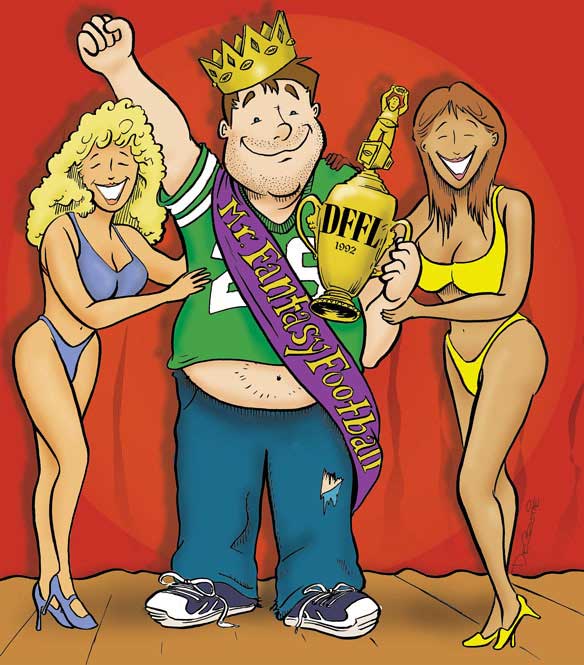
fantasy football wins will never result in you getting hot girls.

Now….I’m not saying don’t play fantasy football. I’m just saying don’t ONLY play fantasy football. Join a flag football league, Join the gym, get a trainer, and prepare for that league. You know what is way better than cheering for your fantasy team’s quarterback throwing a TD…YOU THROWING A TD! Get excited and goosebumps when you see training montages of the teams in the weight room or on the field…GO DO THAT YOURSELF!

If you’re in San Diego, get a group of your buddies and come out and get your fantasy football league signed up for a BootyCamp. Yeah, asses aren’t just for women these days! See this ESPN article, the CALL OF BOOTY.  In these private group classes, we’ll run agility drills, plyometrics, and perform many other strength and conditioning drills to prepare you for game day-so at the minimum when you paint your chest it’s not ironically funny, it is in fact just impressive.

#BA

*I was given the tip by Steph Greunke, that women are increasingly getting into the fantasy football world. So the same rules apply, equal your fantasy football time with healthy food prep and exercise.

KB partner juggling

August 22, 2012 — 3 Comments

I’ve always had fun playing with KB juggling. Right now, with my shoulder rehab, I believe it is helpful for reactive stabilization in the shoulder, additionally, swings don’t irritate the knee (also recovering from surgery).  On Sunday, Rudy Thomas the S&C coach at ucsd and I did 2 hours of crawls, carries, and juggling practice (focusing on only nasal breathing). I got a nice burn. Rudy’s shorts are amazing (he’s getting his RKC this weekend-he’d better wear those shorts one of the days!)

The KB juggling requires CONTROL. This is really cool, and something that separates juggling swings from regular swings. I know, regular swings can be controlled also, however it isn’t exactly necessary like it is with juggling.  It’s also great for hand eye coordination, timing, and some people will claim it helps to develop eyesight. (IMO more precisely it develops eye movement speed and tracking-but I’m not an optometrist).


Lastly, and mostly, it is FUN.

Moving hosts

August 21, 2012 — Leave a comment

Just an FYI to everyone, transferring to another hosting site to handle the increased traffic and also to be able to keep posting the BA podcast. My apologies if the site acts funny…

BA podcast episode 1

August 20, 2012 — 2 Comments

#exileradio

Yesterday Andy Deas and I recorded episode 1 of the BA podcast.  This episode is REALLY silly, I was learning some editing stuff, and it is essentially serving as a “hello” and more so as practice for me to figure out how to make a podcast. In the future we will have guests, and those experts will be taking questions from the listeners, and from us-so in the future there will be more “actual” information.  Please let us know what you think in the comments!

We also are playing around with having a video option on these things right here on the website, because Andy is just so damn gorgeous and because we are innovative as shit. (in episode 1 I learned that I need to select split screen or else Andy is just larger than life for the whole show!).

Below is the video link and also the audio link.

Audio

Download

Video

In the podcast we said we would link a couple things, they were:

click the image for the BA podcast schwag store

LASTLY-we will be adding this to iTunes later today.  I figured it out, but it needs another step.  Sorry for that delay.

#exileradio

stuff

August 16, 2012 — 3 Comments

I just have a few random things aka “stuff” to share with you.

1. In case you missed the news, I‘m starting a podcast with Andy Deas. Yes, that Andy Deas. How did I do that? Well I’m super seductive, that’s how.

Click this and like the Facebook page, because that is where updates and questions and interactions and what not will be done!

2. Today on twitter, me, @dwendel @evolutionarypsy @paleoperiodical @pranapt @cliftonharski @primalrush managed to solve the safe starch debate.

Potatoes: Not safe. This proves it.

“I find a big stick works best” (watch the video and you’ll get it)

So clearly this proves beyond a reasonable doubt that potatoes are not safe. It also proves that people in the south are UGHMAZING.  Also, sweet potatoes are even more dangerous due to there pointy tip. You’re welcome for solving the safe starch debate.

3. Some ‘researchers’ said that egg yolks are worse than cigarettes, (really it was press that said that), I would like to shoot their lab with the potato gun from above. Here are some articles demonstrating why those researches/reporters are less than reliable.

http://graemethomasonline.com/egg-yolks-dangerous-smoking-flawed-science/http://www.livestrong.com/blog/do-eggs-cause-heart-disease/http://www.marksdailyapple.com/are-eggs-really-as-bad-for-your-arteries-as-cigarettes/#axzz23kUA9QJO

4. I haven’t posted any vids of me training lately, because I hadn’t been due to surgeries.  Well, its been a WHOLE 2 weeks post 2nd surgery, so it’s time to get after it again. 

5. Seriously, go “LIKE” the BA podcast page. It’s gonna be mind bottling. And I have a pretty cool announcement for the first podcast.

6. If you’re looking for some distance coaching, I’m taking another 4 people.

surgical recoveries…

August 13, 2012 — 18 Comments

So I have had a fairly annoying  interesting summer: I had knee and shoulder surgery in a 16 day period. First was the right knee, then 16 days later I had left shoulder surgery.  This allowed for a unique “experiment” that I got to run on myself.  On the first surgery I followed the advice (mostly) of the doctors, and on the second surgery I did not follow the advice of the doctors. So this blog will tell you how the two recoveries differed, my protocol, and thoughts about how things were going and other randomness.

*Please note. I am not trying to bash conventional medicine, it obviously is basically magic (seriously, describe it to someone from 299 or even 99 years ago. They would think you were lying).  I also am not suggesting anyone follow this in any way….listen to your doctors! Keep in mind: shoulder and knee surgeries are different, I don’t know if my knee would’ve been better on my protocol or not, and I don’t know if my shoulder would’ve been worse/better/same on protocol from docs.  Please don’t fall into the trap of coming in hating “the man” and just cling to the non-traditional things I tried. I have not proved anything. I just like experimenting on myself, and like being part of a discussion I simply decided to experiment, because discussion is the best way to figure things out along with trial and error. Whether that was smart or not…well read it.

Firstly: WTF happened that I would need surgery? And what was done

  • Knee: On Dec 2, 2011 I was pulling wide stance deadlifts and with about 15 degrees left before lock out it felt like someone hit me on the medial side of the

    floatie

    femur damage

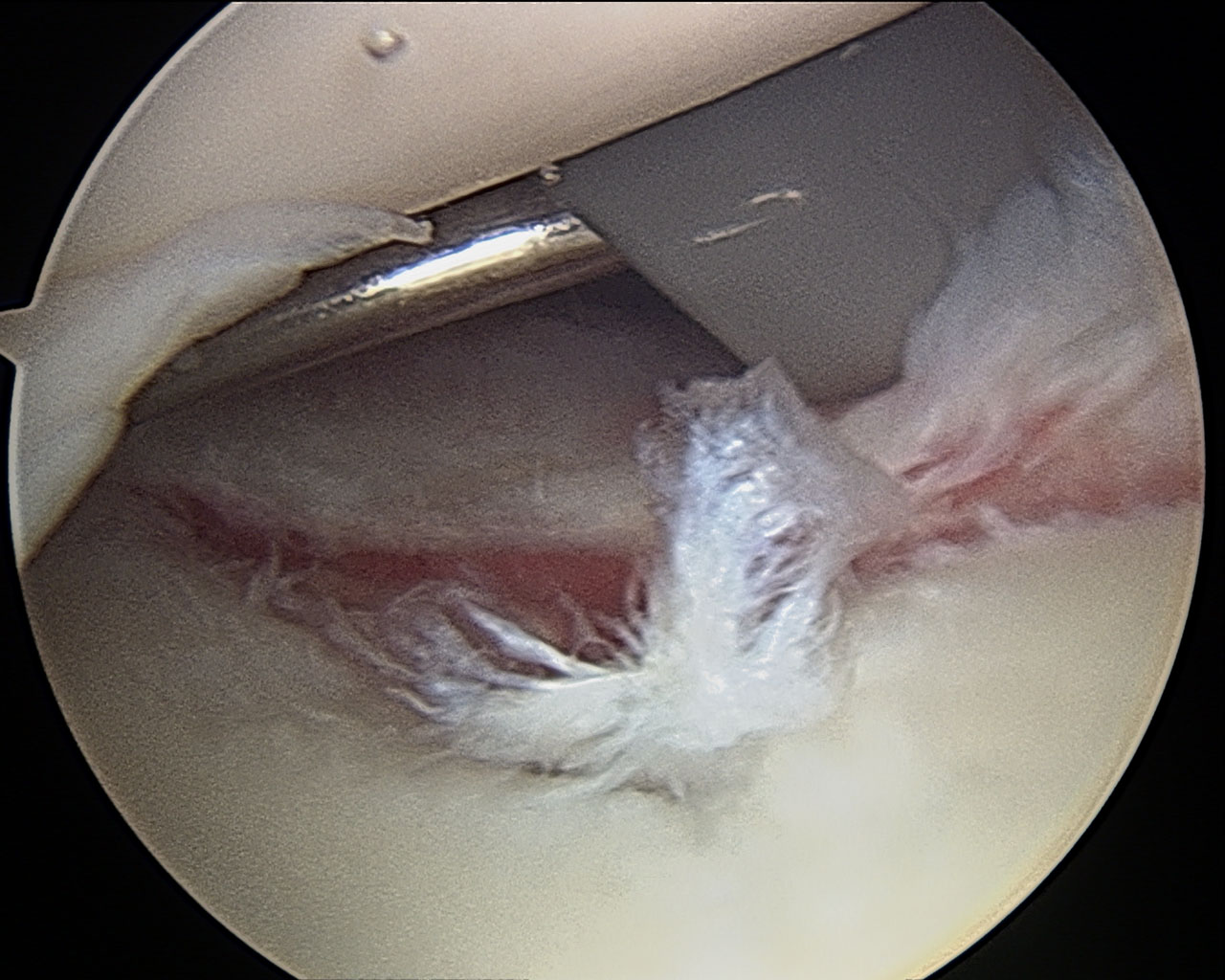
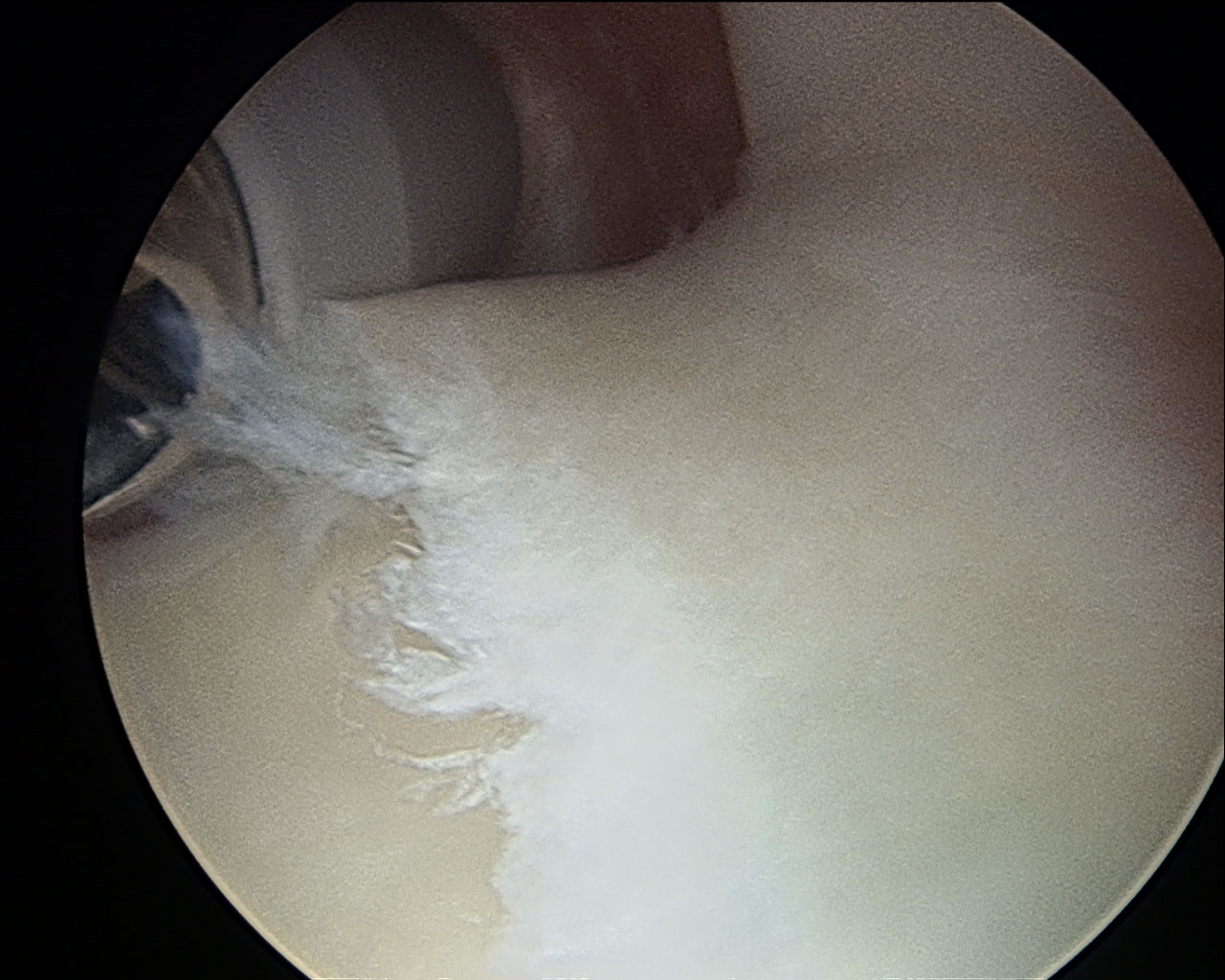
    knee with a hammer. So naturally I finished the pull (475), then dropped it and walked around trying to determine what had just happened. Turns out I suffered a bone bruise…whether this happened before the deadlift or during is open to debate. Regardless the MRI showed a 1 inch bone bruise: RX: stay off of it. I did the best I could, but I was busy traveling and teaching MovNat at that time…so realistically I did myself no favors-that was last week of december. **take home point for you: don’t do MRIs the last week of december because you’ll lose that $500 towards your insurance deductible!**  Fast forward to April, the knee is feeling good, no pain or anything while jumping, climbing stairs, squatting, or for the first time since the injury pulling off the floor.  So I went slow and did some fun lifting for 2 weeks-when all of a sudden after 2 workshops I taught in NYC the knee felt worse than it had in a long time. So I went back to doing very very little, and things worked out so that I ended up leaving movnat, returning home to San Diego to start my own business coaching fitness and movement in San Diego.  I also followed up with another MRI on the knee which showed a ‘HOLE’ in my medial femoral condyle. This was not exciting. The original doctor said I should wait 4 months and do another MRI to see what happens, whether it gets better or worse.  I thought about it, and decided to find another doctor who deals primarily with athletes and not geriatrics/degenerate regular population that doesn’t take movement, health and vitality

    tibial plateau after being cleaned up…aka removing rough flaking articular cartilage

    seriously. The second doctor strongly suggested we scope the knee; I agreed this was a good idea so that we could actually see WTF was going on (my surgery actually got moved up because floating cartilage got wedged and I couldn’t straighten or put weight on the leg). In surgery it turned out that the spot on the knee had a pretty good amount of damage to the articular cartilage, but wasn’t actually a hole, I still had half the thickness of my articular cartilage. This was good.  So they cleaned up the medial condyle, the tibial plateau, behind the knee cap (all had rough, fraying articular cartilage), and removed a couple floating pieces of cartilage.

  • Shoulder: On April 28, 2012 I went from being very excited, to rather pissed very quickly. I hit a PR on a TGU with a barbell at 70kg on the right side.  I went to match on the left, and as I went to hip bridge, I began to lose the barbell backwards…instead of dumping as I should have, I instinctively pressed it out and at the top I felt a pop. This was not good. The next day I couldn’t really move the arm, and I started with acupuncture and treatment immediately, after having it checked out and they thought it was a rotator cuff tear of some sort. So I took it easy on the shoulder for May and June, it really didn’t hurt me that badly, but I want to be performing and feeling well so we got it checked out with a MRI and it showed a probable labrum tear in addition to me having something called an OS-acromiale. So, surgery was decided on because if I was already rehabbing my knee, lets get a

    tool in my shoulder

    slap 2

    anterior labrum flap & some glenoid fossa issues

    2 for one and also because I was PRing on surgical procedures. #PReveryday  Turned out I had a lot of stuff going on in there: shaved the end of the “loose” acromiale, fixed a minor slap 2 tear, fixed a minor biceps tendon tear, sucked out some bursitis, cleaned up a large tear in the anterior labrum, and also cleaned up some fraying articular cartilage in the glenoid fossa. Yeah, lots of suck.  **second take home. stick to your training plan. especially the proper warm up. I did neither on both injuries and that isn’t gonna happen again.**

Ok-so that’s what I was dealing with, I know, who gives a shit…but I wanted you to hear my sob story.  So here was the suggested post op treatment from Medical people:

  1. Eat something light post surgery, like crackers and juice or soda. This was to “not upset my stomach” because the anesthesia often causes nausea.
  2. Take the pain meds (norcal, and toradrol) every 4-6 hours. “Stay ahead of the pain” and keep inflammation down is the goal here.
  3. Ice for about an hour then take the ice off for an hour and just do that repeatedly (ideally with the ice water circulating machine they sell).  Pain and inflammation management is the goal here.
  4. Keep the bandages on, move it as much and early as I can. The quicker you can move the better and faster you recover.

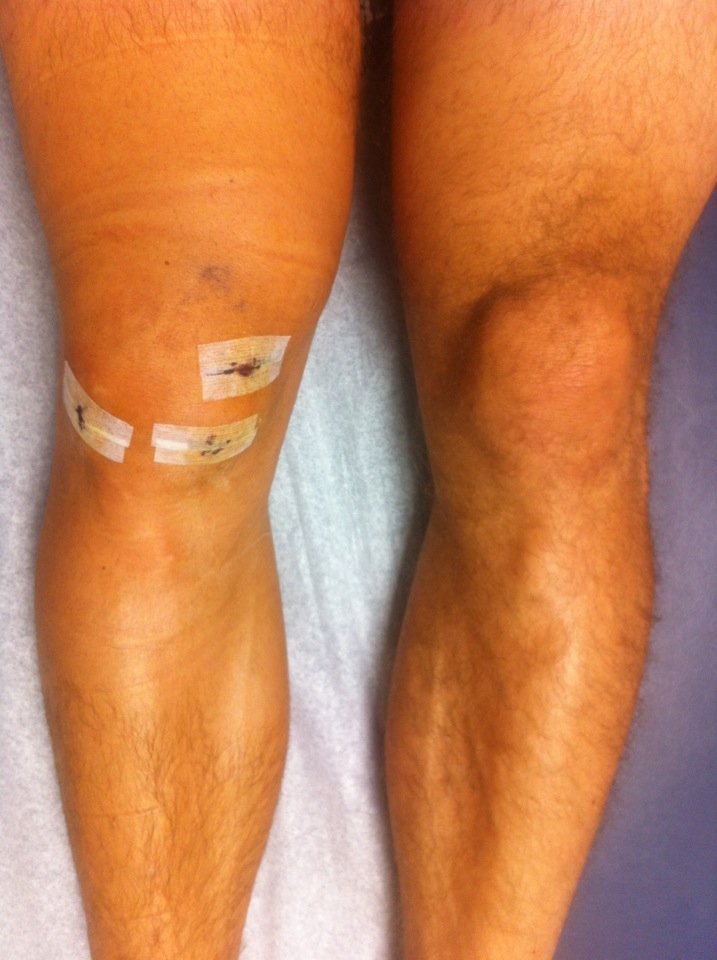
So, for the knee, I did just what was told of me. Except the crackers and sugar water-WTF? I had a steak and eggs instead. The ice I was using felt worthless because the knee bandages were so thick that it took the whole hour to get cold (for the first 2 days at least, then once the bandages were gone it was cold as ice. You know, because it was ice). As far as diet goes, I was 100% primal, whatever that means (for me it means no veggies oils, no gluten, no added sugar*except ice cream during that first surgery*).  My knee got pretty swollen and awfully painful.

knee swelling, 2 days post op

The knee actually got drained after this photo, because I couldn’t move it due to the swelling/pain. I continued with the toradrol for the 5 days it was rx’d for (that’s the maximum legally allowed because it might shut down or damage my liver/kidneys/stomach etc) and continued with the norcal for 8 days post op(norcal=opiod and tylenol combo, they put a ton of tylenol in there so that it can’t be used recreationally or else you’d suffer serious liver damage).  I also kept icing it frequently, and did so for the 20-30 minutes suggested, this time it got really cold because there was no wrapping.  I was on crutches for 4.5 days. The doctors thought I was doing quite well compared to other people, as in my pain seemed less and swelling was less than normal.  I however thought I could do better.

For the shoulder, let me discuss the instructions from the medical community from above-and then say what I did.

  • Eat something light post surgery, like crackers and juice or soda. This was to “not upset my stomach” because the anesthesia often causes nausea. Ok, so clearly I wasn’t going to drink sugar water or eat gluten crackers. This was just plain nutty (sugar is inflammatory, and I’ll have bubble guts from gluten). In fact, by the shoulder surgery time had hit I had been doing the Whole30 for 12 days. I also had been on a supplement protocol I put together (below it’s listed) for 4 days before the shoulder surgery. 
  • Take the pain meds (norcal, and toradrol) every 4-6 hours. “Stay ahead of the pain” and keep inflammation down is the goal here. Well, I didn’t want to take the toradrol again so soon since it seemed dangerous to do so to me, and because I don’t actually think that smashing inflammation is a good thing in regards to recovery.  Inflammation happens for a reason, and is a natural occurrence. If you stop inflammation unnaturally, you may slow healing processes that go along with that natural response (if you have a normal healthy inflammatory response IMO). By unnaturally I mean with pain meds, which also blocks some healing processes that occur with inflammation.  I think that NSAIDS and ice MAY be warranted for people with perverse inflammatory responses, because in their cases the inflammation they get is really damn high and likely problematic due to the swelling and pain it causes which makes moving the injured area impossible (like my knee) and moving soon seems to be integral and maybe even the most important part of getting use back quickly (more on movement below).  Luckily, due to my diet, lifestyle, and supplement protocol I believe that my inflammatory response is pretty good and is not perverse, therefore: screw the toradrol. The pain meds I didn’t want to take because of the tylenol-so I did cold water extraction on the percocet I was rx’d (this is essentially me playing Walt from Breaking Bad, where I remove the tylenol from the percocet only leaving the opioid)  Also, I actually spent the night of the surgery throwing up, couldn’t keep anything down including pain meds, that was a ton of fun and felt awesome. That was mental conditioning for sure. **take home: pain won’t kill you.**
  • Ice for about an hour then take the ice off for an hour and just do that repeatedly (ideally with the ice water circulating machine they sell).  Pain and inflammation management is the goal here. I didn’t ice. At all. There is much debate about icing, is it good? how long? how cold? etc…for the shoulder surgery I decided to test, Please see this from Sir Suppleness.  check out this:
  1.  “When ice is applied to a body part for a prolonged period, nearby lymphatic vessels begin to dramatically increase their permeability (lymphatic vessels are ‘dead-end’ tubes which ordinarily help carry excess tissue fluids back into the cardiovascular system). As lymphatic permeability is enhanced, large amounts of fluid begin to pour from the lymphatics ‘in the wrong direction’ (into the injured area), increasing the amount of local swelling and pressure and potentially contributing to greater pain.” The use of Cryotherapy in Sports Injuries,’ Sports Medicine, Vol. 3. pp. 398-414, 1986   CLIFTON–YES! I KNOW THIS IS PROLONGED PERIOD, BUT THAT IS EXACTLY WHAT COMMON MEDICAL PROTOCOL TELLS YOU TO DO…WTF. I BELIEVE IT IS 8-10 MINUTES WHERE THIS NEGATIVE EFFECT STARTS TO OCCUR, SO MAYBE 5-8 MINUTES OF ICE COULD BE BENEFICIAL, BUT LIKELY ONLY FOR SOME PAIN MEDIATION. 
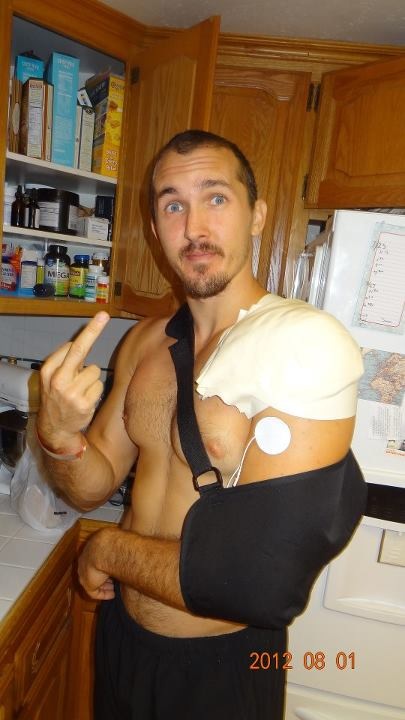
  • Keep the bandages on, move it as much and early as I can. The quicker you can move the better and faster you recover. I was supposed to be in a sling for a week, except to take it out and move it as much as I could-but I took the sling off the next day. Also, this time I took the bandages off in order to hook up the marc pro unit I bought, which I wore for about half the day each of the first 4 days post op. And have continued to use for hours each day, especially after my pt drills.  The marc pro does something cool: it gets movement throughout the injured area via muscle stim and that helps the lymphatic system to move fluid out and away from the non moving area.  The lymphatic systems relies on movement to drain, so if you are swollen and in pain you can’t move and therefore you swell and get in more pain and can’t move! The marc pro was very helpful. Hey marc pro, send me some new sticky pads!! I wore the sling the first day, but wasn’t happy about being photographed in it. Also, is the marc pro and long duration usage of other stim devices just a more aggressive “tens” protocol? It definitely seemed to help with pain in the soft tissues, although the shaved bones needed the percocet.

    my parents food cupboard makes me mad

Ok, here is the supplement protocol I did starting 4 days before the second surgery on some, and some started day before the first surgery. Some influence from this.

  • curica-pain relief
  • lots of vitamin c-short term high dosing this to help with immune and my own bodies inflammatory response
  • turmeric & bromelain-more turmeric, more
  • bone supplement: calcium, magnesium, etc….I had bone injuries, seemed like a good idea.
  • magnesium-cause we don’t get enough.
  • manganese-important for bone health and healing.
  • zinc and copper-all men should take this, you need the copper to ‘balance’ the zinc, as in not get zinc poisoning.
  • krill oil-Omega 3’s and astaxanthin. I also took fish oil with each meal after the surgeries, but not for the 7 days before each surgery so that I wouldn’t have trouble clotting. Just being safe.
  • vit d @ 50,000 iu/day. Yeah, that’s a lot, I know. So what?
  • vit k @ 5 daily servings a day, because vitamin d toxicity seems to be caused by a poor D to K ratio, not total amount of D. And it’s the type from butter, which is better.
  • ginger-assist my body’s own inflammatory response-this is a good idea to assist your own body’s response, because in theory this shouldn’t affect the healing agents also traveling to the injured tissues. In theory.
  • wobenzyme-systemic enzymes targeting inflammatory response. In theory.
  • serrapeptase-the first supplement i’ve ever taken that noticeably abates DOMS post workout for me.  Seriously, BCAAs helped, but serrapeptase kicked some booty.
  • sardines-O 3’s, protein…oh yeah. Eat them on planes and piss people off.
  • lots of grassfed butter, and egg yolks. Mostly for the arachodonic acid (while AA is inflammatory, it is also needed for healing and anabolism) . Please read this by my buddy the Sock Doc-all about inflammation.

yummy, but no real swelling.

So, you’re wondering, how did the shoulder respond? It basically did not swell-nothing in the hand or arm—compared to the knee where I had swollen foot, toes, and ankle (I iced those too, btw). The incisions on the knee took 2 weeks to fully close on two of the cuts, and one cut today, 4 weeks post op still has a small scab.  The incisions on the shoulder aren’t even noticeable on two of the cuts, and one has a minor scab on the very end of the cut. I keep lying to the physical therapist who asks me if I’m icing, because I’m not. Today I did weight assisted pull-ups at the gym, and that is 12 days post op. This past weekend I had the pleasure of walking around the perform better summit surprising everyone there that I wasn’t limping or in a sling. Hooray for technology, hooray for eating well, and hooray for getting to talk to Gray Cook, Dallas Hartwig, K-Starr, Jon Fass and Doc Cheng regarding the injury and healing.

What now? Physical therapy (and finishing 2 months of that supplement protocol). I have seeked out a class 4 laser in san diego, and am doing the pt at that clinic.  I am supplementing the protocol they give me with my own plan: crawls, carries, and getups supplemented with mwodding, FMS correctives, and manual therapy.  These are developmental movements, surgery changes your body-and I want to develop it back the way it is supposed to, not with external rotation band drills.  I’ll be putting my limbs in place on the ground and moving my body around those fixed points the way that babies do, that’s why I did weight assisted pull-ups and crawling-there is just a fundamentally different way that the body and brain reacts to moving the way we do instinctively vs isolation of muscle actions drills.

Considerations and clarifications

  1. I AM NOT A DOCTOR AND THIS IS NOT ADVICE FOR YOU TO FOLLOW.  I AM NOT A PHYSICAL THERAPIST AND YOU SHOULDN’T COPY MY REHAB EITHER. I simply had an opportunity to try this, and share what happened with me.
  2. I don’t know if zero ice is the answer, but it sure seems that ice didn’t help me with the first surgery.  Anecdotally, I’ve done ice baths, wraps and all that jazz for years, and have never known if it was beneficial, because I was still damn sore the day after, and I’ve never known if it helped or not.  Now that I’ve read a ton of material about icing, based on Kelly’s video, and Sock Doc’s series, and my own interest in doing this experiment, I don’t think icing is as beneficial as conventional thought says.  The literature has lots of instances of support for not icing, and at best it seems that after 8-10 minutes you start to get opposite (negative) effects from icing….so the 20 minutes icing directions we always get may not be as good an idea as was thought.  Icing for performance may be another story though, if you can keep your body temp lower then your brain/cns doesn’t get as “scared” when working out and you may be able to go longer harder (that cooling of the body can be accomplished with ice in the palms, cold water over the head, and maybe an ice pack across the neck and upper back-but its for cooling the body between/during events, not for actual physical recovery).
  3. Post surgery, the best thing you can do is move. You can’t do that if you are in pain or swollen, and that’s why ice was chosen in the past, because it numbed the area, and was thought to help with swelling.  Well we also used to think that the earth was flat and that sat fat was bad…well when something new and better comes along, go for it. Moving heals, my question might be this: if you had the marc pro and it was doing it’s thing, and sprinkled in some brief icing as well, would that be better/worse/same? I dunno. But this no icing thing is intriguing at the very least.
  4. If you take anything from this, it’s EAT WELL.  Note that my already good diet was cleaned up even more for the second surgery, and that plus the supplements may have played a huge role in this. I understand there are too many variables to say this is definitive proof that icing is bad, that doc advice is dated, and that a “more natural” way is better.
  5. I know my “experiment” is two different joints/areas. One is above the heart, one below, the knee may inherently swell more than the shoulder…blah blah blah.  If anyone makes those claims you have missed the point here.
  6. I’m not saying this is a more natural way, that’s why it is in quotations in #3 above.  I’m using a electrical stim device! I’m supplementing!  I’m not doing this to try and be like a caveman, so if any dipshit says that in the comments, I expect it to be in a joking way. I just am being proactive with this statement as to not have to clarify later.
  7. When doing surgery, it’s important to remain fashionable. The obvious choice is a V

Super Shake

July 31, 2012 — 5 Comments

Been having pretty good success with a “super shake” that I’ve been drinking this summer.  

Slimer!

Super Shake (bold is the basic iteration)

  • 4oz OJ
  • 8oz Baby spinach/chard/kale mix from trader joes. (straight kale is a bit bitter…gotta cut it with spinach)
  • 1 scoop vanilla whey (just cause it’s good. and I have it in my cupboard.)
  • 1 packet of orange emergence (I’m taking A CRAP TON of vitamin C short term to help with shoulder recovery.)
  • collagen powder (I’ve been adding this due to my knee surgery and impending shoulder surgery. I don’t know if it’s actually helpful, but why not?)
  • 1 tbsp coconut oil (I want fat. i want lauric acid. i want coconut oil. so do you)
  • 1 tbsp macadamia nut oil (gimme those monounsaturated fats)
  • 1 teaspoon spirulina powder (Yeah. I’m a freaking hippy.)
  • 1 teaspoon of natural calm-magneium powder. (because with the potassium from oj and greens the magnesium should be taken in better. so i’ve read)
  • 6 egg yolks. (because Rocky was badass. And I want more fat.)
  • Totals: Fat=60 or so grams. Carb=30ish. Protein=30ish. 

Couple of notes

  • This has potential for you to crap your pants if you aren’t used to high levels of vitamin c (fix=don’t put in the emergen-c), high levels of fat (start w/o the macadamia and coconut oil, and take a now super enzyme), don’t put in too much natural calm (we’ve all done that). 
  • Keep the egg whites and eat them later in the day, or if you area bro and trying to bro it up by getting more brotein, eat those eggwhites next to the shake and get all sorts of anabrolic. 
  • The egg whites have some stuff in it that aren’t good for you raw: lysozyme can bind with proteins like ovomucoid or ovoinhibitor and inhibit trypsin, a protease enzyme, from doing its job of digesting proteins. And potentially worse, some of the compounds can pass through the intestinal wall and agravate autoimmune problems or damaged guts. This is why egg whites may be wise to avoid if dealing with autoimmune problems. Avidin, another anti-nutrient found in the egg white, binds to biotin, a B vitamin responsible for things such as fatty acid synthesis and blood sugar regulation, and inhibits it’s absorption. Biotin is normally produced by a healthy gut flora so those suffering from digestive issues are even more at risk of biotin deficiency. Also, up to 3% of the population is allergic to egg whites.

    Now….cooking the egg whites does a lot to get negate those potential negatives from above.

I’ve had a few people start doing this, and the overwhelming response is…”that’s more delicious than I thought it would be, and it keeps me full til dinner” Me in response “yep. I’m a culinary genius. And maybe now you’ll be less malnourished and tubby.” (I’m really nice to my friends)

Motivation…Friday

July 27, 2012 — 7 Comments
A couple weeks ago I woke up perhaps a little cranky, but mostly just fed up with some of the motivational tactics which have been floating around more and more in regards to health and fitness.  Below is the Facebook result:
Clifton Harski
The over the top inspirational quotes by some people in the fitness industry are starting to blow my mind. In a comical way…maybe I’m just a little cynical, but….for example “You can’t have a training goal without first having a life purpose.” Please share your thoughts, do you like these types of quotes, or do they seem out of place coming from? Do we really think that fitness programs are that intense/serious?
Like ·
Jason C. Brown – I’m with you. That’s all I see on FB lately. That and “What’s your excuse?” banners?
Jeff Ventura – If you can philosophize something, you can make t-shirts, stupid posters, and blog posts. But first, you need a goal orientation framework, and you need to identify your passion on a vision board. Or bullshit board. Whatevs man. Workouts are serious f-ing business
Clifton Harski Ok, thought I woke up on the wrong side of the bed. My goal is to keep working out fun first, and aim it to improve people’s lives….not be some sort of existential over the top spiritual thing.
Mike Connelly – Too heavy. I, personally, like to keep it light. For instance… “Brooke, if you don’t pack your shoulder on your get ups kittens are going to die.” Brooke is an ASPCA member so it works every time. Thanks Jeff O’Connor!
Adrienne Harvey – They make me weary too – I have to ignore a lot of it and ummm prune the newsfeed accordingly.
Clifton Harski What ever happened to good old fashioned inspiration like “don’t you want your ass to look amazing in ‘dem jeans?!
Sarah Young – Training… much like life…. is far too important to be taken seriously 😉
Diane Sanfilippo – Yeah, I think if people have training goals, cool… athletes, etc. but most folks should just find a way to move every day that is fun for them. Goals are great, but I think the best goal is to be having fun. If you aren’t having fun, what’s the point?! 😉
Garrett Smith – Good exercise programs create internal motivation. Bad or excessively stressful workout programs require lots of external motivation…like cheesy quotes and PhotoShopped pictures. 
Clifton Harski – ‎Jason C. Brown Hope you don’t mind, but I find your list here http://www.pathfindermethod.com/2012/06/19/pathfinderpillars/ to mesh with my own views. Training for me is my outlet, my fun, my hobby, my passion-but I don’t think I’ll ever have a quote like the initial one i quoted!
Clifton Harski – I suggest starting our own realistic inspirational quotes here, “those weak ass squats are NOT going to get you laid” Mark Fisher is my motivation. as are Kyle Langworthy and John O’Mahoney
Ann Wendel – I think the only catchy, good slogan needed is Nike’s classic “Just Do It!” I mean, really, just get out there and do it, whatever “it” is for you! Do it 100%, have tons of fun, work hard, then recover like it’s your job, then do it again.
Laree Draper – Clif, I think your workouts reflect your personality, serious, intense and fun at the same time. Other times we see a rule follower or someone who wants to have all the options lined up…maybe someone who wants to cut corners. Sounded totally weird and over the top to me then, but I think he was on to something, that ponderer guy.
Kyle Langworthy – How about this for inspiration: “YO, you better push that f*ckin’ floor away from you right now or ain’t nobody f*ckin’ you tonight, son!” -my gangsta quote for this a client setting a new PR for squats this morning. Worked like a charm. I’m so “inspiration-ey”. True story.
Robin Moore – I usually don’t mind/ignore them depending on who they are coming from. But, yeah, overall I’d say it is pretty heavyhanded. Most of the people taking those quotes to heart could probably benefit from making their dramatic workouts more fun. I imagine these people typically work out to episodes of The West Wing or Law and Order.
Laree Draper – Found the old quote! Via Dave Draper: “You are clearly reflected in your training. Your workouts mirror your character, personality, strengths and weaknesses.” So… do you require inspirational quotes to get you going in your training? Maybe that’s a reflection of your, er, weakness. :~)Andrew Badenoch – I can’t get out of bed in the morning without puns to trick me into being an overachiever or posters of strangers on mountain tops with arms raised triumphantly.
______________________________________________________________________________________________________________________________________
Glad to see I wasn’t alone (admittedly, one person say she “loved” those types of quotes, but I edited that out to support myself. It’s my blog).  I just don’t think that we as trainers should be trying to act like Tony Robbins. Or at least we shouldn’t need to be AT ALL POINTS.  In fact, if you have to resort to motivational speeches then you might be doing it wrong! And if that client really takes that much effort, they might not be worth it.  We should be able to fire up our clients in different ways, such as
  • Hotness. Mark and the staff (what’s up Kyle and John?) at markfisherfitness.com do this amazingly well. In a more GLORIOUS fashion than many (probably any) other gym in the country-and it WORKS. They get people hot (and also fit, healthy and moving well). And people want to be hot.  And calling it hotness is genius! It makes it seem less serious because it acknowledges the goal to improve one’s body composition through humor which effectively takes away some of the pressure.  This is healthy, but when it becomes an obsession to get ripped, or skinny or whatever, it becomes unhealthy. A fine line I know, and to help you navigate it I suggest you go read this articleby The Whole9 who break down dysfunctional thinking on body image MUCH BETTER THAN I COULD (I really want to give them a TomKat type name, I’m thinking Dallissa…)

    From the Whole9. They don’t just do diet, it’s a whole lifestyle support system over there.

  • Performance. This is my favorite. To me performance just means working towards specific goals, because I’m not a professional athlete, and neither are 99.9% of your clients. Getting them excited about performance goals is awesome. Now, lots of trainers will say that this is a better goal than an aesthetic goal, and I would agree long term—but here is the problem. Lots, or most, of trainers are like me and have always been in shape and have no idea what it’s like to not give a shit about how much you bench press because all you want to do is be able to go shirtless or wear a bikini without wanting to hide.  So those of us who are trying to push performance goals on people who just want to get hot, need to tread those waters carefully….listen to the client.  I think an industry leader in goal setting are the girls over at Girls Gone Strong, and I don’t just mean for girls either, these ladies are smart, and their blogs are better than mine.
  • Health. This is actually pretty hard to motivate people with, because it’s harder to quantify like inches on your waist or pounds on your squat. BUT! If you are successful with the lbs and “s, you can start to point out how GOOD the trainee is feeling, and that’s when you’ve got them. Because once you’re healthy and feel great…you want to stay that way. Unless you’re dumb.

Now, the reason I wrote this today is because Nike has just put out one of those give you goose bump motivational commercials. I mean it is damn good. And if you’re gonna do motivational videos or pictures, it better be to this standard, otherwise you’re just not cutting it.

Finally, I’d like to know your thoughts on this CrossFit ad.  Is it vulgar, cheesy, poor taste, effective marketing, or what do you think about it?


If you’re in San Diego, go to www.batrainingsd.wordpress.com to come out and train.

So while training today, I did an exercise that I hadn’t done or seen before, and it was really damn cool, I think. So I filmed it, and wanted to discuss it and some close relatives of it. The video is a little further down the page after I give it some background.

If you haven’t done pallof press variations before, I recommend you add them into your training. They are very cool, effective, and intelligent-I love them and have been playing with variations of them for a few years now. I’ve seen them completely destroy people (not injury!) because, I believe the amount of “stabilizers” which must act is much higher than many other exercises, or at least recruited in a new and intense way for people-and therefore it just taxes the neurological system like crazy. Or so I think anyways. At the bottom of this article I have linked a Tony Gentilcore article with videos demonstrating the pallof press and its variants. (why do another rehash of this when a good post is already done?!)

In addition to pallof press work, I think performing lifts from a half kneeling and split stance are extremely effective for a number of things: glute activation, core training, and proper sequencing and relationship building between stabilizers vs movers. Again, at the bottom I have linked an article by Brett Contreras discussing standing rotary training. It has a video with Gray that gets into half kneeling lifts and chops, and you should watch it. (again, no need to repeat info already out there)

I would like to discuss isolation and disadvantaged training, and the difference. Isolation exercises isolate one specific muscle (or muscle group) in order to specifically address that muscle (or group). I know, DUH, but the thing is, unless you are a bodybuilder (or anyone with aesthetic goals) looking to increase the size of that specific muscle (or group), or in need of specific rehab, isolation exercises probably aren’t the best training practices because there is essentially zero times in life that require an isolated muscle to function alone. Now, disadvantaged training exercises place an emphasis on certain muscles (or groups) in the context of a more complex movement. Here is Gray Cook discussing “disadvantaged training” (did I invent that term?!) in relation to the half kneeling chop and liftFirst, removing your foot, ankle and knee from the mix helps me focus just on the hip and core. Reducing your body height reduces the amount of balance reaction. With one knee down and one foot up, this puts you in a position that isolates the single side.” You see, he is disadvantaging the trainee to “focus on just the hip and core”, that is why these drills are so damn cool and effective.

Now, the idea of “disadvantaged training” leads me into the idea of efficient movements vs effective movement/training. In general we should be aiming to train to move efficiently, however there are often times when a task requires a more “effective” technique. An example would be crossing monkey bars: you could swing efficiently, spending minimal energy while doing it, and be able to do it for long periods of time….but, if you had to get across quickly, you would need a more “effective” technique, such as a flexed arm hand over hand traversing across the bars, which you COULDN’T do for an extended period of time as it’s quite taxing and difficult. As such, training “effective” movements, aka “disadvantaged” movements can and should result in more targeted training adaptations. Some people would read that and think “I should just train “effective” or “disadvantaged” movements to produce the greatest adaptations”, but they’d be dumb for thinking that since training efficiently has a WHOLE HELL OF A LOT of benefits that most people are missing in their training and as such, their abilities.

Now, onto the new (?) exercise that I did today. I was showing a friend variants of the pallof press. I was showing the standing anti extension version (which I go back and forth between liking and disliking), when the height of the bar that the band was attached to made me think to try a half kneeling version to increase the amount of pulling work (she has a shoulder/neck thing that prevents her from pull-ups at the moment). The thought was by half kneeling it would increase the amount and intensity of pulling muscles recruited, while also working on the anti extension aspect of the exercise. Well, I was pretty excited when I tried this (I try things before letting someone else get after it). Excited because this drill did the following really well:

  • The glute activation was really damn good, could have something to do with the exercises I had done before and I was fatigued, but she also immediately commented on how taxing it was for her glutes.
  • The anti extension aspect of the core was much more effective than in the standing version
  • The amount of work that the lats and other pulling muscles got was surprising, since it wasn’t a very “heavy” band
  • Keeping the scaps retracted basically happened instinctively, because otherwise you’d be whipped back-and that position of shoulders “back and down” was actually pretty easy to maintain in part due to the load coming from behind, which is really a unique loading angle for a pull. I feel, and this is just an opinion/hypothesis, that the added “ease” of being in a retracted scapular position is helpful in teaching to pull from that position and keep that position throughout the pull-since many people lose it somewhere in a pull-up, at the bottom, middle, really it varies.

I believe that this drill would be a good addition to training for the following:

  • Pressing movements. This really teaches you to have a great support to press off of because of how well it activates and keeps activated the glute, core & lats. Many people lose pressing power because one of those things goes wrong/soft.
  • Pullups. Teaching you to be tight throughout, basically hollowed out, will help with your pull-ups. You see most people doing pull-ups with poor shoulder and scap position, and soft and useless core…and that’s why they suck at pull-ups.
  • Handstands. Teaches you to have good strong linked up body in that overhead position.-General scap training, glute training, and core training!

I will be adding this into my training consistently, and hopefully I’ll see it add some badassery to myself. It is one of those exercises which is rad because it has things working together in a really cool and effective manner-disadvantaging at its best.

OK, now on to the exercise!

First, make sure your band is safe and secure, and at least as high as your finger tips at full reach! Get into half kneeling, and make sure the kneeling thigh is vertical (so that you are using the glute and other stabilizers) and not angled forward (sitting on structure in that forward position). Get the band in the lowered position, get your shoulders down and back, squeeze the glute, be strong in the core, and press up with control. Pause at the top for a few seconds and enjoy that fun, then pull it back down. You need to actively press and pull the cable, not just let it go up…stay tall and maintain control throughout.

Here are the videos

Side Angle

Front Angle

Front angle, but set up at an angle from the band origin. Depending on where you set up this will include more anti flexion & anti rotation.

Here is another exercise that beats the shit out of crunches, regular planks, and other “core work”. The plank row, at the bottom of the page are two pictures, try to keep your hips level while doing this. Another even tougher variation is to backwards bear crawl, drop to elbows, row a rope attached to a sled, then pushup up to hands from elbows, backwards bear crawl, and repeat with the other hand…this will kick your ass, fast (Thanks Tim Anderson!). https://cliftonharski.wordpress.com/2011/08/18/more-muscle-confusion/

Here is the pallof press and some of the variations that i’ve been doing for a few years (no, I’m not laying claim to inventing anything….as lots of things are done by lots of people without doing a blog post and claiming it as new)

http://www.tonygentilcore.com/blog/everything-pallof-press/ (note, side vertical pallor press is best from standing, as in half kneeling you’ll see shitty form almost no matter what).

Here is a link to Brett Contreras where he discuss rotary training and how it’s badass.http://bretcontreras.com/2011/09/standing-rotary-training-is-whole-body-training/